

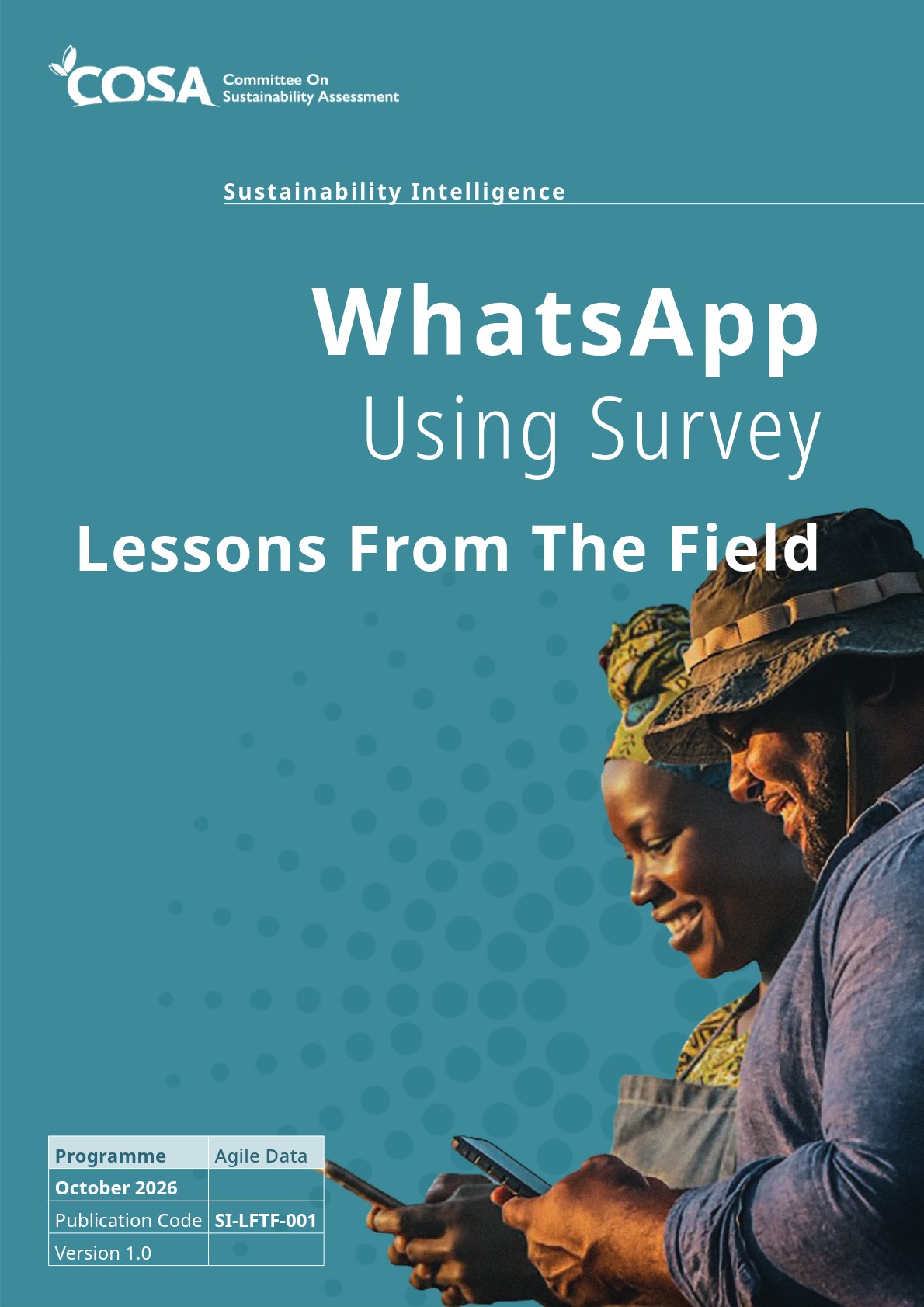
Can a familiar messaging app deliver valuable farmer insights at a fraction of the cost?

Agile Data testing in Zimbabwe suggests it can. WhatsApp surveys achieved 89% cost savings compared with face-to-face interviews, while generating useful insights into farmer behaviour and programme outcomes. But participation remained a challenge, with only 36% completing the survey. The findings highlight the importance of local languages, trusted field engagement and incentives in encouraging participation, and ensuring that lower costs translate into meaningful evidence.
What if the cheapest way to collect data is also the least effective at reaching farmers?

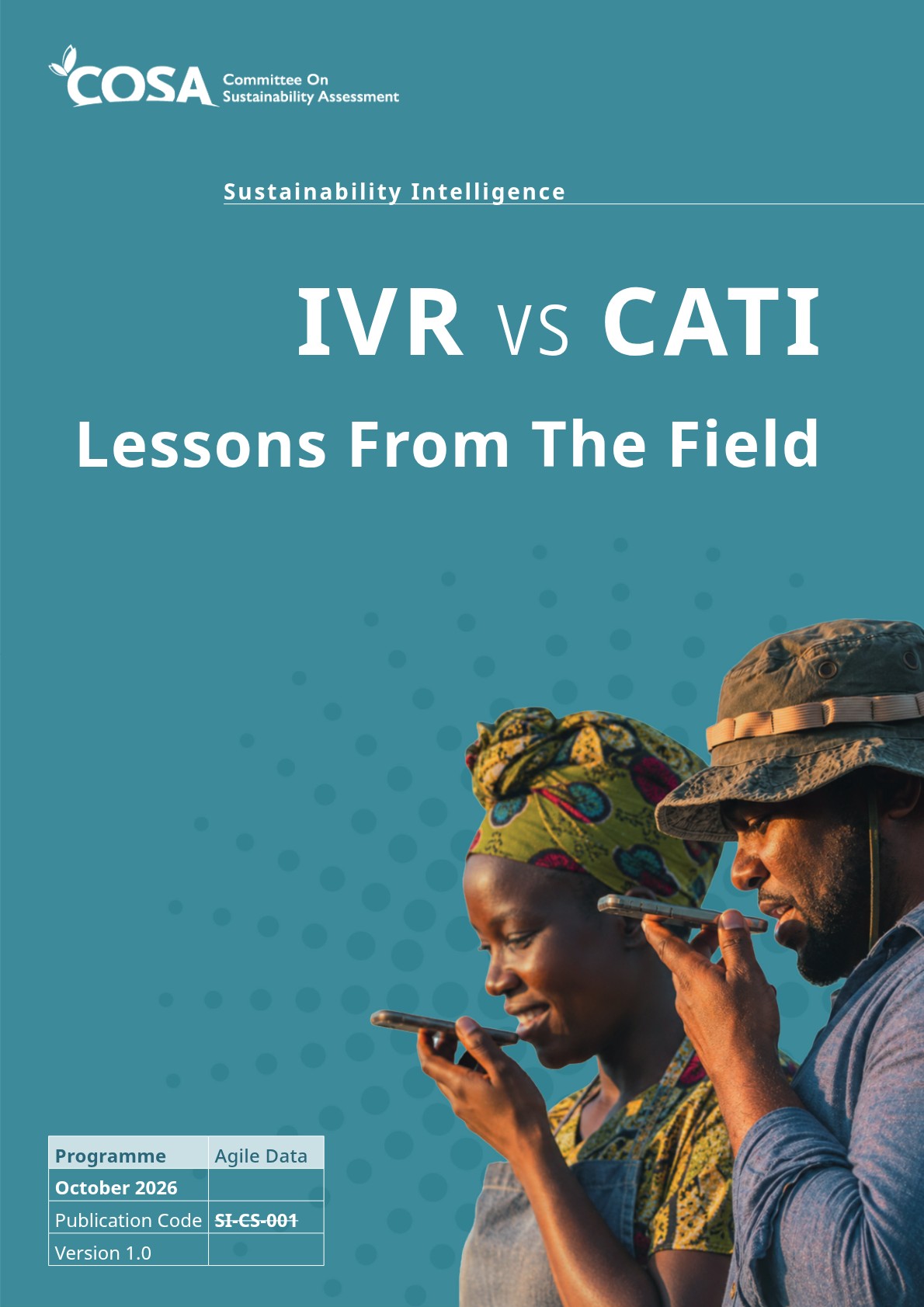
Agile Data testing in Zimbabwe and Sudan revealed striking differences between automated IVR surveys and human-led CATI interviews. In Sudan, 66% completed CATI surveys compared with just 7% using IVR. In Zimbabwe, CATI achieved 95% completion, while no respondents completed the IVR survey. The findings show that lower costs alone do not guarantee useful evidence. Trust, familiarity and human engagement can make a critical difference to participation and data quality.

Can telephone surveys deliver reliable evidence if some farmers are less likely to answer?

Agile Data testing across multiple countries found that CATI can generate credible agricultural data while reducing costs and improving efficiency. But participation is not equal. In Sudan, men were 6 percentage points more likely to answer than women, while wealth and conflict exposure also influenced response rates. In India, 45% of unsuccessful contact attempts involved inactive phone numbers. Despite differences in reported values, CATI and in-person surveys produced broadly consistent findings.